Co-op Tips for Arctic Drive
Drive, navigate, scavenge, haul—and keep friends away from the handbrake.
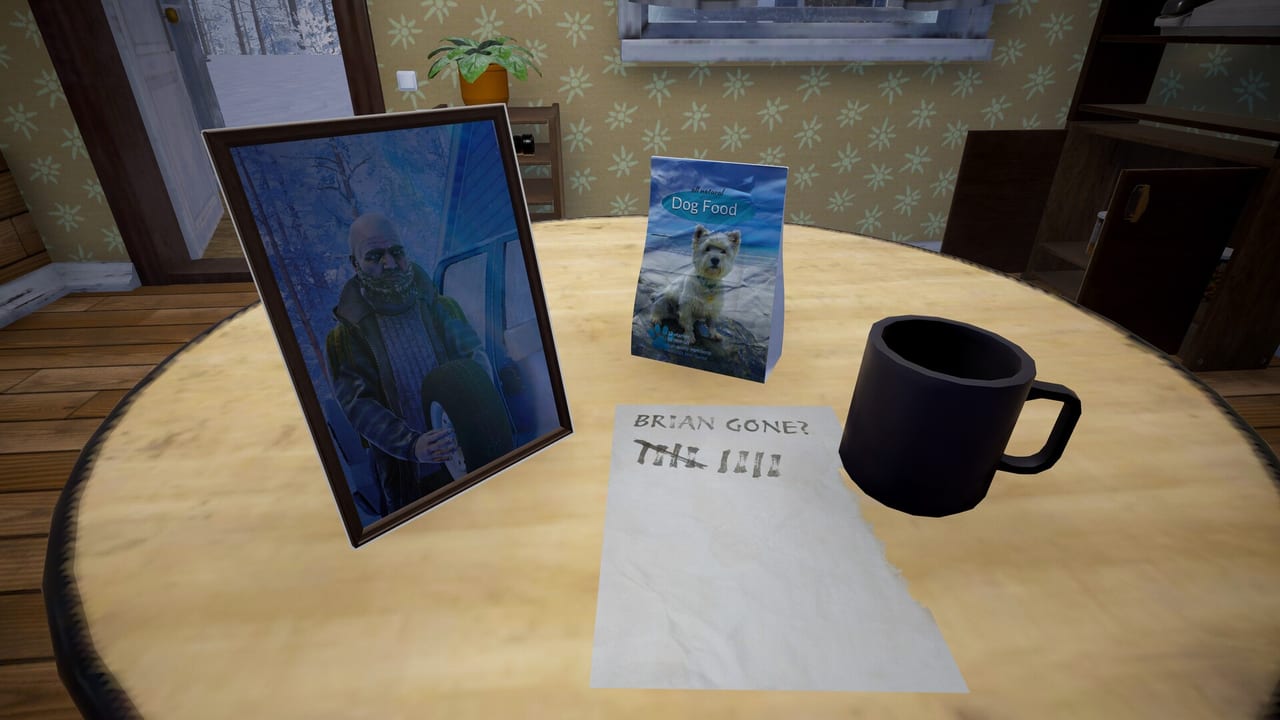
Arctic Drive is built for shared misery on ice: solo is viable, but 1–4 player online co-op with proximity voice chat is where the genre fantasy peaks. This guide covers role splits (driver, navigator, scavenger, cargo), host save habits, revives, communication, and the handbrake joke that publishers and streamers keep warning about for a reason. Pair it with Getting Started for systems basics and the Players Hub for crew-facing notes.
Developers Pebbles Games and PlayTogether Studio, with Bonus Stage Publishing, ship a free Steam demo (since October 8, 2026) and Steam Early Access on November 25, 2026. More than 100k players have already stress-tested friendship in the demo. Use these tips so your Early Access nights last longer than one whiteout argument.
Party size and proximity voice
You can queue from one to four players. Proximity voice chat means distance matters—yell across a barn loft and you may not reach the driver still in the cab. Stand near the person who needs the callout. Keep critical alerts short: “blizzard left,” “door open,” “fuel two cans,” “heater dead.” Long stories can wait until you are sealed and warm.
If someone is outside looting, assume they cannot hear cabin banter clearly. Repeat fuel and storm calls when the scavenger returns. Solo players can skip voice, but co-op without callouts recreates every classic “I thought you had gas” wipe.
Role framework that actually works
Specialize lightly. Rigid jobs break when someone disconnects; soft roles prevent four people fighting over the same jerry can.
Driver
Owns speed, lines, and trailer swing. Never floors it on unknown ice. Announces stops before slamming brakes so cargo and passengers can brace. Does not touch scavenging until parked.
Navigator
Watches the road ahead, marks POI priorities, and calls nightfall risk. Keeps the mental map of the last gas station and the next cabin. In procedural wilderness, memory is a role.
Scavenger
Runs buildings on a timer. Fuel, food, batteries, and repair parts before novelty junk. Returns when temperature or storm pressure rises instead of finishing every shelf. Reads Survive the Cold so ego does not outrun the heater.
Cargo lead
Loads with physics in mind. Heavy low and centered, valuables inside when possible, organics separated for cooking. Says no to weight that ruins fuel economy—see Vehicle Repair and Upkeep. During crafts, feeds the recycler correctly so oil does not become a meme sacrifice.
Rotate roles between sessions so everyone learns ignition, benches, and tire swaps. A crew where only one person understands Crafting and Recycling will stall when that person is down.
Host saves and session discipline
Host-side saving (as highlighted in beta and roadmap messaging around claimable garages and save/load) means the lobby should agree when to checkpoint. Save after major repairs, after securing a trailer, and before pushing a risky night drive. Do not rely on vibes. If the host must leave, end at a sealed cabin or garage—not mid-blizzard on a bridge.
Agree on quit rules: no rage-quitting with the only battery in inventory, no “quick AFK” with doors open and the heater off. Social contracts matter more than min-max sheets when frostbite is a shared resource.
Revives and downed players
When a teammate goes down to cold, crash, or bad luck, stabilize the cabin first if everyone is freezing. A heroic outdoor revive that kills the medic helps no one. Drag or carry toward heat, seal doors, then resolve the down. Keep spare food and anti-frost cookables for these moments. Practice the flow once in the demo so Early Access panic is quieter.
The handbrake joke warning
Marketing and community clips share a theme: do not let anyone near the handbrake as a prank. Yanking it mid-corner on ice dumps cargo, bends chassis, and ends friendships. Make it an explicit table rule before the first merge onto a frozen highway. Funny once in a safe parking lot; never funny at speed in a whiteout. If your group thrives on chaos, schedule a dedicated silly run—do not mix it into a serious Brian search.
Communication checklist before rolling
- Who drives, who navigates, who loots, who loads?
- What is the fuel number and spare can count?
- Is the heater verified on?
- Are doors closed?
- What is the next POI goal (gas, bench, trailer parts)?
- Where do we stop if a blizzard hits in five minutes?
- Handbrake pranks: banned?
Sixty seconds of checklist saves sixty minutes of rebuild.
Co-op loot etiquette
Ping or call rare parts before pocketing them. Batteries, winter tires, and repair kits are team oxygen. Cooking batches should feed everyone, not one backpack. When scrap is tight, craft shared kits at the generator stop instead of racing private stockpiles. Trailer space is communal; the cargo lead has veto on clown loads.
Linking systems to teamwork
- First hour skills: Getting Started
- Storm discipline: Survive the Cold
- Bench nights: Crafting and Recycling
- Crash aftermath: Vehicle Repair
- Demo practice route: Demo Walkthrough
- Vehicle picks for the crew: Tier List Hub
- Player-facing hub: Players Hub
- Patch changes that affect lobbies: Updates Hub
Co-op in Arctic Drive rewards crews who sound bored and competent: short callouts, sealed doors, shared fuel math, and zero handbrake comedy at speed. Stack roles, respect proximity voice range, save on the host when the run is stable, and treat every teammate’s temperature meter like your own. The wasteland is procedural; your teamwork should not be.
Frequently Asked Questions
Quick answers about Arctic Drive survival, co-op, and Early Access.
How many players can join an Arctic Drive co-op session?
The game supports solo play or online co-op for up to four players, with proximity voice chat for nearby teammates.
What roles should we assign?
Use soft roles: driver, navigator, scavenger, and cargo lead. Rotate so everyone can handle ignition, benches, and tire repairs if someone disconnects.
Why does proximity voice chat matter?
Distance affects who hears you. Call storms, fuel, and door status while near the relevant player—especially when scavengers are inside buildings and the driver remains in the cab.
Should we ban handbrake pranks?
Yes for serious runs. Pulling the handbrake on ice mid-drive scatters cargo, damages the chassis, and commonly wipes the session. Save chaos for parked goof sessions.
Who should control saving?
The host. Agree to checkpoint after big repairs, trailer hooks, and before risky night pushes. Do not end the night stranded mid-blizzard because someone had to leave.