Arctic Drive Vehicle Repair and Upkeep
Bent chassis, cold engines, and heavy beds: keep the rig rolling through the freeze.
In Arctic Drive the car is the run. Simulated damage bends the chassis, parts deform and break off, and one bad corner on ice can strand a full crew. This guide covers chassis damage, deformable parts, engines, heaters, tire chains, fuel, oil, batteries, trailers and RVs as mobile bases, and the weight-versus-fuel trade that empties tanks faster than a scenic detour. Read it with Crafting and Recycling open whenever you need kits, tires, or blueprint unlocks.
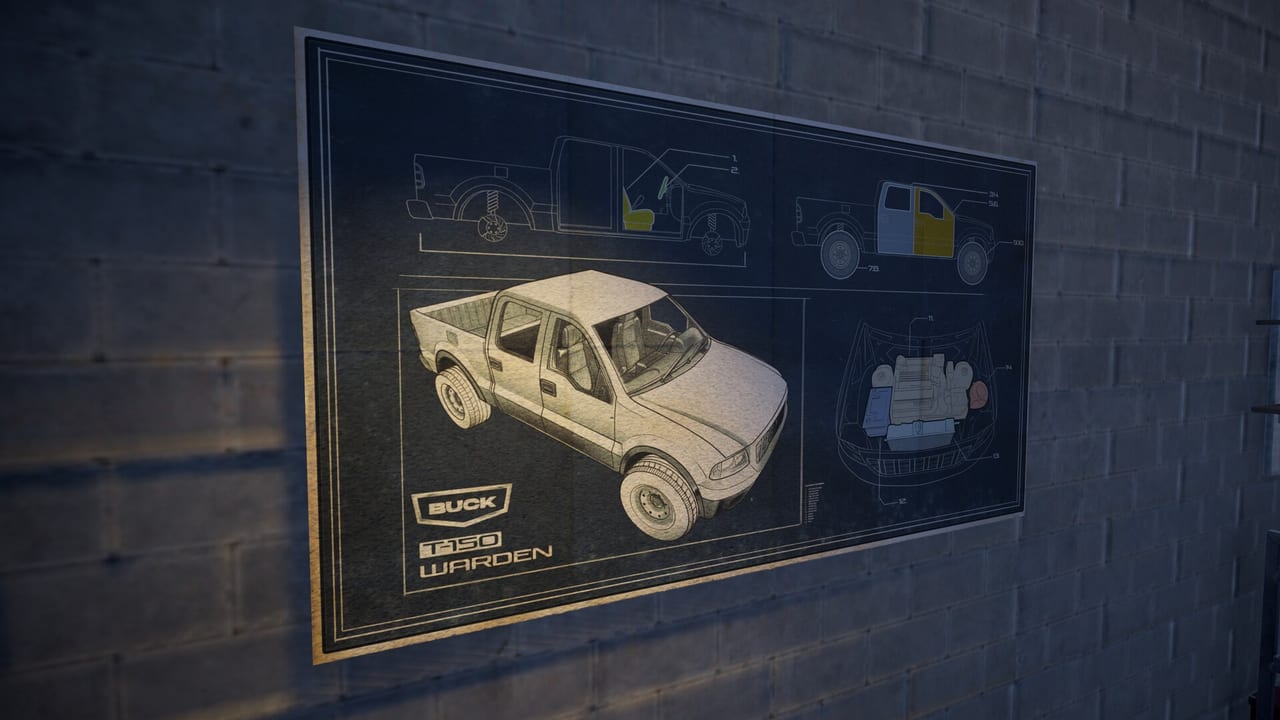
Arctic Drive (sometimes misspelled Artic Drive) is a 1–4 player first-person co-op survival driving game from Pebbles Games and PlayTogether Studio, published by Bonus Stage Publishing. Steam Early Access arrives November 25, 2026; the free demo has been live since October 8, 2026. Community chatter names the Reno, Buck Warden 4WD, pickup trucks, campers, and RVs—compare them on the Tier List Hub after you understand how repairs actually work.
Chassis damage and deformable parts
The fantasy is mechanical honesty. Hits, rollovers, and hard ice landings do not apply a vague health bar alone—they warp metal and knock assemblies loose. After any crash:
- Exit safely and inspect the frame visually.
- Note rubbing tires, hanging panels, or misaligned doors.
- Check whether the heater housing, battery mount, or fuel system took the hit.
- Repair or replace before the next blizzard, not after.
A door that no longer seals is a temperature problem as much as a cosmetic one. See Survive the Cold for why cabin integrity matters. Driving on a banana-shaped chassis invites more failures; slow down and fix early.
Engines, heaters, and tire chains
Engines need fuel, oil, and a living battery circuit. Silence in a whiteout is lethal. Carry spare oil and respect overheat or wear signals when the build shows them. Do not ignore small knocks—engine mounts and radiators are classic demo failure points after rough roads.
Heaters are survival modules, not comfort toys. A damaged heater turns the sealed cabin into a slow freezer. Prioritize heater repairs equal to engine repairs when storms are forecast in your head.
Tire chains and winter tires are traction insurance. Install and maintain them before mountain ice or packed snow sections. Chains will not save an overloaded bed on a hairpin, but they reduce the chance that a gentle slide becomes a rollover. Craft replacements at powered benches when scrap allows.
Fuel, oil, and batteries
Treat consumables as a triangle:
- Fuel — distance and heater runtime.
- Oil — engine longevity under stress.
- Batteries — ignition and electrical dependents.
Scavenge jerry cans at gas stations and barns; stash a spare can inside or strapped where physics will not eject it. Battery swaps belong in every serious loot plan. Running dry mid-map forces a foot trek that Getting Started already warned you against—do not learn that lesson twice.
Trailers and RVs as mobile bases
Hooking a trailer or RV is the mid-run power spike. You gain storage, cooking space, and a reason to drag a recycler lifestyle down the highway. That power has costs:
- Longer stopping distances on ice.
- Higher fuel burn from mass.
- More surface area for storm pressure and parking mistakes.
- Cargo that can shift and destabilize corners.
Secure loads, close doors, and treat the trailer as part of the vehicle’s damage domain. A beautiful mobile base with a shredded hitch or frozen occupants is still a failed run. Demo objectives often push trailer cooking—practice that loop in the Demo Walkthrough.
Weight versus fuel
Physical everything means greed has a meter. If you can lift it, you can load it, but weight burns fuel faster and a tight turn can scatter the haul. Before leaving a POI, ask:
- Does this item enable heat, traction, or distance?
- Can it wait for the next pass?
- Will this stack shove the center of gravity into a rollover?
Leave vanity junk. Keep repair kits, tire spares, food buffers, and fuel. Recycle overflow at the last generator instead of hauling dead mass—Crafting and Recycling explains the sink.
Field repair workflow
- Park on the flattest safe ground; set expectations with the crew.
- Seal what still seals; get temperature stable.
- Inventory kits, tools, tires, oil, and battery spares.
- Fix heater and door seal before cosmetic panels if a storm is active.
- Restore drivetrain enough to limp to the next powered bench.
- At the bench, full rebuild: chassis alignment, chains, blueprint parts, cook food.
- Rebalance cargo weight before the next long hop.
Vehicle choice affects repair load
Lighter pickups and the Reno may forgive narrow trails but punish storage limits. The Buck Warden’s 4WD helps traction yet still needs tire and drivetrain care. Campers and RVs shift the repair mindset toward base upkeep: heaters, interior benches, and hitch integrity. Use the Tier List Hub for pick order, then return here when a ranking assumes repair skills you have not practiced.
Co-op repair roles
Assign a wrench lead who owns inspection after crashes while the driver stays off the handbrake and the scavenger fetches mats. Proximity voice chat shortens “is the heater on?” arguments. Etiquette and revive habits live in Co-op Tips. Solo players should still narrate the checklist aloud—temperature, seal, engine, tires, fuel—before rolling.
Keep the rig honest. Arctic Drive rewards players who treat damage as information, not as background noise. Fix the bend, feed the engine, chain the tires, and leave weight you cannot justify. The procedural road will invent new ways to break you; a maintained vehicle is how you answer. Watch the Updates Hub for Early Access changes to damage, trailers, or consumables after November 25, 2026.
Frequently Asked Questions
Quick answers about Arctic Drive survival, co-op, and Early Access.
What should I repair first after a crash?
Restore door seals and the heater if storms are active, then drivetrain and tires enough to reach a powered bench. Cosmetic panels can wait; a cold cabin cannot.
Why did my fuel disappear so fast?
Weight burns fuel. Overloaded beds, trailers, and constant heater use empty tanks quickly. Offload junk at a recycler and keep only survival-critical cargo.
Do tire chains matter if I already have winter tires?
Chains add traction insurance on ice and packed snow. Maintain both when available—neither replaces careful speed on procedural mountain roads.
Are trailers worth the repair hassle?
Yes for storage, cooking, and mobile basing, if you accept higher fuel use and secure cargo. An unsecured trailer haul becomes a physics comedy on the first hard corner.
Which vehicle is easiest to keep alive early?
It depends on seed and loot, but prioritize any shell you can seal, heat, and fuel. Compare Reno, Buck Warden, pickups, and RVs on the Tier List Hub, then match spares to that platform.