Getting Started in Arctic Drive
Garage to first mile: get a rig running, stay warm, and reach your first stop alive.
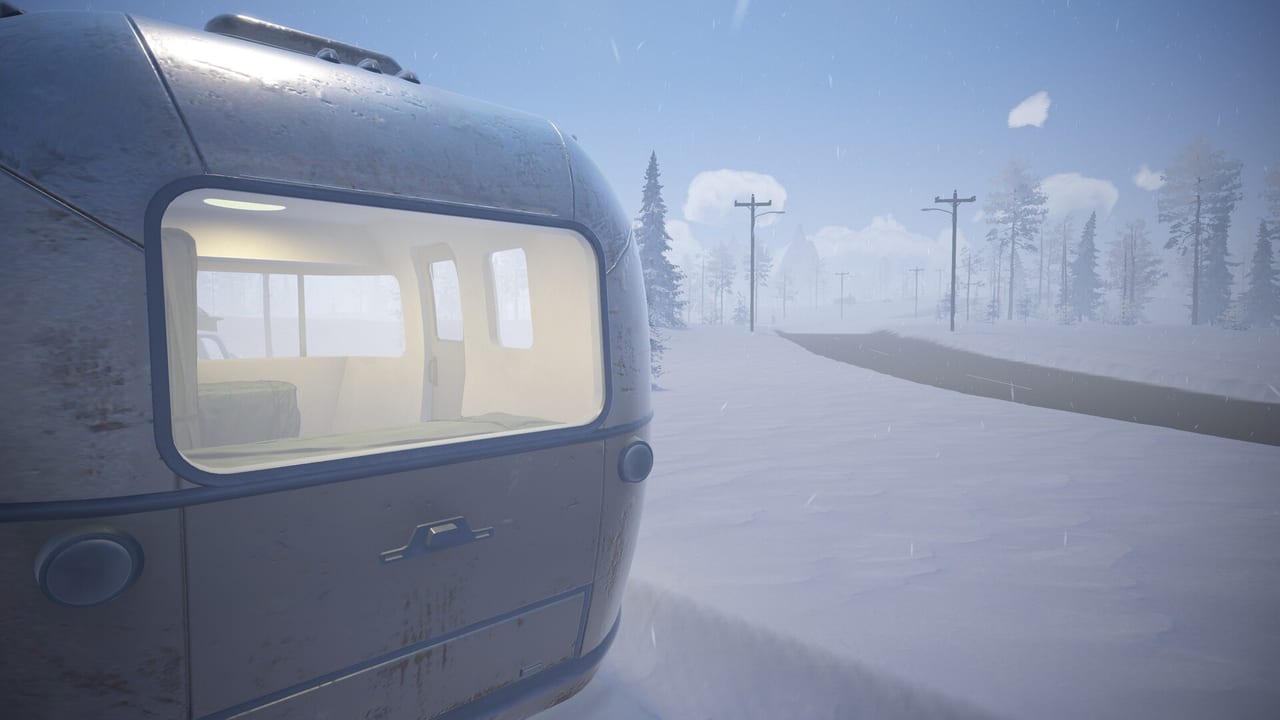
Arctic Drive drops you into a frozen wasteland where the car is the only reliable shelter. This getting started guide covers your first hour: the garage opening, the Brian story hook, assembling a driveable vehicle, sealing doors for heat, finding fuel, hitting the first point of interest, and which wiki pages to open next. It is written for the free Steam demo (live since October 8, 2026) and for Steam Early Access on November 25, 2026 from Pebbles Games, PlayTogether Studio, and Bonus Stage Publishing.
The opening: garage, Brian, and a dead truck
You play a mechanic who has been surviving the freeze with a roommate named Brian. Brian took the truck and has not been seen for days. The hook is simple and effective: there is no clean escape, only the long road into procedurally generated wilderness while you look for supplies and any sign of him. Your first job is not a boss fight. It is getting another vehicle running before night and the cold finish you.
Expect a garage or workshop space with scrap, benches, and incomplete cars. Treat that space as a tutorial island. Walk the shelves, pick up tools, and note anything that looks like doors, batteries, fuel cans, tires, or heater parts. In Arctic Drive, physical cargo matters: if you can lift it, you can load it, and weight will matter as soon as the engine starts burning fuel.
Get a vehicle running
Community talk and demo footage lean on pickups, the Reno, the Buck Warden 4WD, campers, and RVs. Early on you will rebuild whatever shell the scenario gives you. Prioritize in this order:
- Wheels and basic rolling chassis so the car can move without scraping itself to death.
- Engine, battery, and fuel so ignition is possible.
- Doors and cabin seal so heat stays inside when the storm hits.
- Heater and lighting so night and whiteouts are survivable.
- Storage and spare tire so the first scavenging loop does not strand you.
Simulated damage means a bad corner on ice can bend the chassis or knock parts loose. Do not treat the starter car like an invincible truck. Drive slow until you understand how cargo shifts and how the heater interacts with open doors.
Doors, heat, and why the cabin matters
Official messaging is blunt: doors keep freezing cold outside and warmth inside. Open doors while scavenging are fine for short dashes. Leaving them open while the heater fights a blizzard wastes fuel and drops body temperature. Make a habit of closing up before you drive, before you cook, and before you wait out a whiteout. Your car is shelter as much as transport—use it that way.
Body temperature sits alongside hunger and thirst. If you feel the cold climbing, get inside, shut doors, and check the heater before you invent a longer foot trek. For the full temperature, blizzard, and food loop, continue in Survive the Cold.
First fuel and the first POI
Fuel is progress. Empty tanks end runs faster than most crashes. Scavenge jerry cans at gas stations, barns, cabins, and roadside junk. Keep at least one spare can secured in the bed or cabin so a short hop never becomes a death walk. Oil and batteries deserve the same respect; a silent engine in a whiteout is a freezer with seats.
When the road opens, aim for the nearest structure. Procedural generation mixes biomes and buildings: cabins, abandoned barns, gas stations, research outposts, and empty stretches that only offer wind. At each POI, loot with a plan—fuel and food first, then repair parts, then scrap for the recycler. Hooking a trailer or RV later turns those stops into mobile-base upgrades; early on, just leave with enough to reach the next warm room.
Controls cheat sheet (demo and Early Access notes)
Player reports converge on a simple first-person layout:
- WASD — move on foot
- Ctrl — crouch
- Tab — exit vehicle (confirm in your build if bindings differ)
- G — place or drop cargo
- Mouse — interact with ignition, gear stick, and cabin controls
- Escape — pause in solo
- Proximity voice chat — talk with nearby co-op teammates
Treat vehicle interactions as physical: look at the stick, battery, or door handle and use the mouse rather than expecting a single hotkey for every action. Cargo placed with G can slide; strap your mind to weight and balance before you floor it on ice.
First-hour checklist
- Rebuild enough of a vehicle to roll, start, and seal.
- Confirm doors close and the heater responds.
- Secure starter fuel, a spare can if possible, and basic food or cookables.
- Drive to the first POI without overloading the bed.
- Scavenge scrap for the crafting loop described in Crafting and Recycling.
- Note chassis damage early; fix small bends before they cascade—see Vehicle Repair and Upkeep.
- If you play with friends, assign roles before the first blizzard using Co-op Tips.
What to read next
- Full demo route, biomes, trailer cooking, and the cracked-wall sledgehammer tip: Demo Walkthrough.
- Vehicle rankings (Reno, Buck Warden, pickups, RVs): Tier List Hub.
- Crew and player-facing notes: Players Hub.
- Patch and milestone tracking: Updates Hub.
Arctic Drive rewards patience more than speed runs. The wasteland regenerates, but the first-hour skills—seal the cabin, protect the tank, loot with intent—transfer to every seed. Get the garage behind you, keep Brian’s mystery in the back of your mind, and treat every mile as a negotiation with cold, weight, and fuel.
Frequently Asked Questions
Quick answers about Arctic Drive survival, co-op, and Early Access.
Who is Brian in Arctic Drive?
Brian is your roommate who took the truck and disappeared. The opening casts you as the mechanic left behind, rebuilding another vehicle and searching the frozen road for supplies and any sign of him.
What should I prioritize on the starter vehicle?
Get wheels, engine, battery, and fuel working first, then seal doors for heat, then heater and lights, then storage and a spare tire. An open cabin in a blizzard will undo a perfect engine bay.
How do I keep warm in the first hour?
Stay inside the car with doors closed when storms hit, keep the heater fueled and functional, and avoid long foot trips without a warm return path. See Survive the Cold for hunger, thirst, and blizzard detail.
Where do I find the first fuel?
Search garage shelves, jerry cans, gas stations, barns, and roadside loot. Carry a spare can once you can; empty tanks strand you faster than most mechanical failures.
Is the free demo enough to learn the game?
Yes. The demo has been on Steam since October 8, 2026, and teaches scavenging, vehicle assembly, and survival pressure. Use the Demo Walkthrough for a structured route, then return here for systems depth before Early Access on November 25, 2026.